Category Archives: Body Care
Skintervention Tips, Endorsement and Giveaway!
One thing I have been blessed with is great skin. I have had a little eczema around my mouth after age 30 but it comes and goes and is not so noticeable. I also have the skin bumps on upper arms that show if I do not get enough sun and don’t get my vitamin A (from liver!!). The universe spared me problems with facial acne in high school since I guess I already had enough to deal with having weight problems and many food issues. Many of my nutritionist friends have remarked on how nice my skin is and all I can say is count your blessing folks, some people would give anything for what you have.
I have met Liz Wolfs several times and she is a good friend. She is gorgeous but she acts like she does not even know it. She is smart too and a great writer. She doesn’t have the slightest bit pretense even with all her great assets. What she does have is an undeniable need to share joys and sorrows about a lifetime of problem skin with others. She found out the hard way that skin is a reflection of our internal environment.
I have had many friends and family members deal with severe acne the conventional way with Accutane or other harsh prescription interventions (always check with your doctor for advice before changing a medication). Some of them have not been able to repair the damage done their gut from these long term antibiotics. I feel passionately that we need to get the word out that taking toxic pills and potions is not the way to clear skin. Young people can do so much damage to their bodies before they start to understand how food will impact hormones. I don’t just mean chocolate and greasy foods but a much larger picture of inflammatory food toxins paired with unrealized food sensitivities. Liz helps us understand how the lack of a healthy gut flora and adequate natural fats will show up in whiteheads, cystic acne, dryness, and comedones.
Liz before Skintervention!

Liz After Skintervention!

As you can see Liz Wolfe no longer has skin issues!
I asked my intern Coco what she liked about Liz Wolfe’s Skintervention guide because she has a special interest with her own skin problems. Coco’s endorsement follows:
I haven’t had this much oil on my face since I was a teenager. No, I didn’t fall face first into a cheese pizza. The truth is that I slathered oil all over my own face…because someone told me that washing my face with oil would make my skin clear and glowing. Sound crazy?
According to the book “Skintervention Guide,” it’s not!
Nutritionist Liz Wolfe’s new book explains how you can get a beautiful, radiant body by choosing the right foods and the right body-care routine. How does using oil to cleanse your face fit into that? We’ll get there.
Liz, who enlisted the expert advice from Primal Life Organics skincare founder Tina Felber, says there are three things that are necessary for achieving outward beauty (and inward health):
Nourishing Foods
Anti-inflammatory, real foods are necessary for the health of your hair, skin, nails and teeth. Most of the recommendations are consistent with a primal or Weston A. Price philosophy: meats, vegetables, healthy fats, some nuts and fruits, healthy beverages, some raw dairy if you can tolerate it. The books explains how soy, low-fat foods and certain oils wreak havoc on your appearance, and why animal protein and vegetables are imperative. You’ll be walked through how to find the best meats, dairy and oils, and provided with links (oh, the magic of an e-book!) for purchasing some of the author’s top recommendations.
Included with your purchase is a helpful resource guide for finding specific food or beauty products mentioned, and a very simple list of non-intimidating recipes that even the most beginner of cooks can handle. The book is almost worth buying just for the recipes, which are perfect for creating quick, healthy and simple meals for one.
Just a few of the recipes you’ll find:
- Sweet Potato & Bacon
- Turkey-Apple Hash
- Easy Stuffed Peppers
- Taco Wraps
- Salmon Patty Salad
- Berries & Coconut milk (this is the recipe in its entirety: “You can handle this one.” You bet I can – but I’d never have thought of it on my own!)
Good Digestion
“If you can’t use the nutrients you give your body, they can’t make your body healthier or more lovely.”
I’ve never seen digestion addressed in a book about skincare, but Liz makes an excellent case for why proper gut health is paramount to achieving a radiant glow. She explains how to assess your stomach acid production (and fix it, if needed), and outlines how poorly functioning digestive organs affect our skin and health – and how to support them for internal and external beauty.
Safe and Effective Skin and Body Care
This is the longest section of the book, and for good reason: most of us are vigilant about avoiding chemically-laden foods, Liz writes, “yet we rarely audit the chemicals we put ON our bodies all day, every day, for our entire lives!”
What you put on your skin – your body’s largest organ – eventually makes its way into your body, so the idea that so many conventional skin and body care products contain harmful ingredients is appalling. At best, many of these ingredients are irritating; at worst, some are neurotoxins, have been linked to cancer, and/or can disrupt your hormones. Skincare expert Tina Felber explains the ins and out of skincare and advises us on how to deftly navigate the skincare aisle – even at “natural” grocery stores. Luckily, “Skintervention,” provides us with healthy, effective and often inexpensive DIY options to many traditional alternatives.
The book includes or links to recipes for easily making or buying many personal care products:
· Deodorant
· Toner
· Personal Lubricant
· Shampoo (or, rather, a “no-poo” alternative)
· Facial Masks
· Hair/dandruff Treatments
· Zit Zappers
How to lesson from the book: Oil Cleansing Method (OCM):
The basic concept behind this increasingly popular method is that oil massaged into your skin will dissolve the oil that has hardened in your pores. There are several options of oil you can choose from, and Liz purports the OCM is beneficial for everyone, even those with oily, acne-prone skin. As with the rest of the skincare portion of “Skintervention,” the oil cleaning method features three tiers for skincare, depending on how much time, effort and money you’re willing to invest in your regimen. The Basic Oil Cleansing Method (tier one) is as follows:
1. Massage oil on your face (jojoba, coconut, avocado, oil are all options).
2. Lay a hot (but not scalding), wet washcloth over your face for 30 seconds and allow the steam to open and cleanse your pores.
3. Wipe the oil off and continue on your merry way to flawless skin.
The Bottom Line
While neither a standalone reference for nutrition nor a replacement for your dermatologist, “Skintervention” is an outstanding resource and, in my mind, the best how-to beauty book available. A reader who is currently entrenched in the Standard American Diet may initially find Liz’s recommendations overwhelming – but the beauty of an e-book is that it’s always on hand and you can easily search for key words on your computer.
“I wanted healing, not a temporary solution!” Liz writes of embarking on her quest for healthy skin. Pick up a copy of “Skintervention,” and you will be well-equipped to begin your own journey towards lasting healing and beauty.
Get your guide today to start the healing for a permanent solution!
Only $37 for a lifetime of beautiful skin!
Win the Skintervention guide ($37 value) by following the rules below:
- Leave a comment on this blog post of why you want to win
- Subscribe to my blog
- Like my Facebook page (optional)
- Like the Skintervention Facebook page
- Winner will be picked randomly from the comments
- Contest ends March 30, 2013
The Not So Soft Side of Fabric Softener
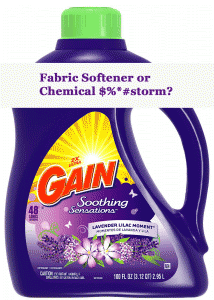
This is a guest post by my intern/assistant CocoNoel. Follow her blog and facebook here.
During the mid-19th century, dryer sheets (and subsequently liquid fabric softener) were invented to solve the problem of dryers making fabric feel like rocks. Don’t believe me? Look at old pictures of your relatives and tell me those aren’t the expressions of people who are sleeping on sheets that feel like flint.

Looks pretty stiff, right? Photo credit
So how do dryer sheets and liquid fabric softeners make your favorite sweatshirt so cuddly soft? By coating all the fabric with a fine layer of fat, often from cattle, sheep, or horses. That sounds natural but a little gross, right? Some use fats derived from plants, so all you vegans can still have your ethics along with a hefty dose of static-fighting chemicals.
Chemicals, you ask? Heck to the yeah.
A few different versions of what is essentially the same article about the dangers of fabric softeners have been circulating around the Internet. The articles all heavily rely on the information contained in this 18-year-old article, and are horribly dated. So what follows is my own piece of investigative journalism. Not likely to win me a Pulitzer, but it should provide you with a current report of the safety (and hazards) of fabric softener.
I chose a popular liquid fabric softener –GAIN Lavender Lilac Moment –and researched every single one of its ingredients for any potential health concerns:
Water: Wonderful! Poses no immediate health threat, but swimming lessons are recommended. Fluoride is harmful but that is an issue for another day.
Diethyl ester dimethyl ammonium chloride: Belongs to a group known as “quats.” Can cause asthma to develop in otherwise healthy people. Can cause dermatitis on the skin. Harmful if inhaled. The Environmental Working Group adds, “Many quats have antibacterial qualities. While it might sound useful to keep clothes germ-free freshly washed clothes are already plenty clean, and overuse of quats may lead to development of antibiotic-resistant superbugs.”
Perfume Fragrance: Fragrances are one of the top allergens. A blend of any of hundreds of chemicals (here’s a list). May contain phthalates, which can cause organ system toxicity, birth or developmental issues, and affect the endocrine system, reproduction and fertility, and brain and nervous system. May cause harm to young boys, including disrupting the development of their male anatomy and even affecting the toys they want to play with.
Calcium chloride: Repeated contact may cause burns, redness, swelling, and tissue damage.
Formic acid: Affects respiratory system; linked to skin irritation, allergies and damage.
Dimethicone copolymer: I couldn’t really find much out about this, aside from environmental impact concerns which are important to consider. We all have to live on this planet!
Liquitint™ Purple: Artificial purple color that won’t turn your clothes purple. No data was available, but it sounds like the product of voodoo magic! But my guess is that this can cause some skin irritation.
Hydrochloric Acid: Classified as expected to be toxic or harmful by the Environment Canada Domestic Substance List.
Quaternary acrylate polymer: I can’t find anything specific about this chemical. If you’re able to find some information, let me know. Sounds like a good product name for industrial pantyhose.
Ethoxylated cocoalkyl bis(2-hydroxyethyl) methyl: the Cosmetic Ingredient Review Assessment stated there was insufficient data on the safety of this ingredient to determine its safety. Yikes!
Ammonium chloride: Possible respiratory effects.
Perfume microcapsules: May cause endocrine and hormone problems. (See frangrance above).
Methylchoroisothiazolinone/Methylisothiazolinone: Common contact allergen. Linked to abnormal neurological function.
Diethylenetriamine pentaacetate: The inerwebs say this is safe, though I wouldn’t recommend sprinkling it on your ice cream.
Yowzers! While there is no telling what these chemicals may do in varying concentrations, many chemicals have cumulative effects, meaning the more you are exposed to them, the more they’ll build up in your system and cause irreparable harm. Remember Van Gogh whose use of toxic lead paint is blamed for his psychosis?
For everyone else, there is a silver lining: the great thing about fabric softeners being so terrible is that you can easily, happily, and – dare I say? –softly live without them!
Here are a few fantastic alternatives:
- Just add ½ cup of white distilled vinegar to the rinse water of the laundry cycle.
- Invest in a couple of dryer balls. They’re rubber balls that you can toss in the dryer. They’ll fluff up your clothes and cut your drying time by about 25%. Plus, they can double as a dog or toddler toy in a pinch.
- Line dry your laundry. Better for the environment, your electricity bill, and air-dried clothes don’t get static.
- Do what I do: throw your laundry in the dryer with absolutely nothing.
If you’re not convinced that soft clothes aren’t worth exposing yourself and your family to all the potentially toxic chemicals above, then it looks like you’ve already spent too much time inhaling fabric softener!
(Don’t forget to like Coco Knows on Facebook on your way out!)
Thanks for reading!
-Coco
Looking for more natural cleaning and home care solutions?
Get this great book from DIY Natural:with over 60 non-toxic cleaning recipes for every room in your home!
Click here to learn more:

This is linked to Party Wave Wednesday!
SOURCES:
http://www.ewg.org/chemindex/term/480
http://www.pgproductsafety.com/productsafety/ingredients/household_care/laundary_fabric_care/gain/GAIN_Lavender_Lilac_Moment_Fabric_Softener.pdf
http://www.inchem.org/documents/pims/chemical/pimg022.htm#SectionTitle:2.1%20%20Main%20risk%20and%20target%20organs
7 Dangerous Chemicals Lurking In Your Laundry
In my house growing up we always used Cheer and I thought it was great. I loved the smell of the clothes hot from the dryer. The clean odor was so satisfying that I never thought twice about how my clothes became spotless and fresh. Just like artificial foods we should be wary of these too good to be true, addicting smells that permeate our laundry process. During WWI many man made chemicals were introduced due to shortages of soap. Most are still used today because they are cost effective but their use may have long-term affects on our delicate systems.

Dangerous Detergents
Sodium Laureth Sulfate: is a cheap but very effective foaming agent. Most SLS contains dioxane which is classified in California under prop 65 to cause cancer. The EPA also classified dioxane as a probable carcinogen because it caused cancer in laboratory animals. Some agencies say its safe in small amounts but why take a chance? Using detergent everyday of our lives does not seem like a small amount.
Phosphates: make up 50% of the weight of detergent and causes growth of algal blooms that kill plants and fish. The amount of phosphates in city waste water increased from 20,000 to 150,000 tons per year from 1940 to 1970.
Linear Alkyl Sodium Sulfonates (LAS): help to soften water to make clothes easier to clean but the problem is that during the manufacturing process carcinogens and reproductive toxins are released into the environment. LAS are synthetic and biodegrade very slowly. LAS is toxic and can cause skin irritation.
Alkyl Phenoxy Ethanols: is another water softener that can cause chronic health problems. These ethanol’s can activate estrogen receptors which can stimulate female cancer and feminize male fish. This chemical is often used as a spermicide.
Artificial Fragrances: are usually made from petroleum which is almost impossible to break down in the environment. They cause allergies and have toxic effects on mammals.
Quaternium 15: is an ammonium chloride that disinfects and deodorizes. This chemical releases formaldehyde which can cause asthma, cancer, reproductive problem, and even death.
Polycarboxylates: are similar in structure to plastics and are very new, meaning these synthetic substances have not been fully studied. These substances are synthetic petroleum based, non-biodegrable and their long term effect on human and environmental health is unknown.
Detergent Danger Summary:
Popular detergents such as Cheer or Tide are full of chemicals that pollute our air/water and many chemicals are not even required to be listed. Many of these substances in washing powders take thousands of years to break down and even degrade into more dangerous substances. Common chemicals in detergent are made from petroleum products which can cause various cancers, reproductive problems and weight gain. Artificial fragrances can also be made from petroleum and have been linked to various toxic effects on fish and mammals, and often cause allergies of the skin or eyes.
Safe alternatives to get your clothes squeaky clean and fresh!

Safe Laundry Detergent
Soap Nuts:
I heard about these from my little brother who is totally environmentally conscious. A few months ago I bought Soap Nuts and I was hooked after the first wash. They come with a little cotton bag that you add 4 soap nuts into and throw it into the washer. It is that easy! These powerful nuts worked on my greasiest kitchen towels, which was true real test. I was amazed at how clean and fresh my clothes were after each load. I hope you ditch your harmful detergents and switch to eco-friendly Soap Nuts.
Soap nuts are harversted from the Sapindus Mukorossi tree in India from the base of the Himalayas. Local farmers harvest the soap berry after it falls from the tree. The nuts are then dried in the sun without any chemical processing. The shells contain a natural saponin (so does quinoa-gross!) which creates a soapy non-toxic detergent.
More great reasons to switch to soap nuts:
- 100% Organic
- Hypo-allergenic
- Fragrance-free
- Cruelty free
- Paraben free
- Phthalates free
- Phosphate free
- Lanolin free
- Alcohol free
- Chlorine free
- Petroleum free
- Paba Free
- Formaldehyde free
- Sulfate Free
- Economical
Click below to buy my favorite brand of soap nuts and support my blog effort.
Sources:
Wikepedia.com