Category Archives: beans

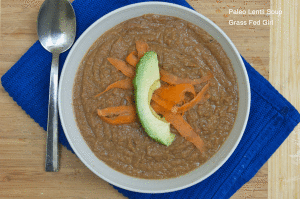
Comforting Paleo “Lentil” Soup

When I was growing up my stepmom loved Jane Brody and she thought beans and brown rice were the pinnacle of health foods. I don’t think beans and rice are so bad if your diet is low in refined foods and you are generally healthy.

My diet as a child could be defined as carboholic. The problem with beans and rice is that it has never filled me up the way meat does. I could eat bowl after bowl of this legumy goodness and I did (and it showed)!

Savory lentil soup will always have a comforting place in my heart even if I don’t eat it anymore. This recipe has all the great flavors of lentil soup without the hard to digest lectins and phytates which cause gut irritation and malabsorption of important minerals/vitamins.

Ingredients:

1 Tbsp Grassfed Organic Ghee
1 large head of cauliflower (6-8 cups)
1 chopped onion
1 cup diced celery
1 cup diced carrot
1 tsp paprika
1 Tbsp chopped garlic
1 Tbsp cumin
1 tsp cinnamon
2 Tbsp tomato paste
1 tsp paprika
Real Salt and pepper to taste
2 cups of home made broth
1 cup coconut milk or 2 tbsp coconut cream concentrate
1 Tbsp apple cider vinegar
2 Tbsp olive oil (optional)

Directions:

Melt the ghee over medium heat in a soup pot. Add the onions, celery, carrots, and garlic. Then saute for about 5 minutes. When the onion is translucent, add the cauliflower, tomato paste, broth, vinegar and other spices. Add the coconut milk and stir until melted. Simmer with a lid on the pot for 20 minutes until the cauliflower and carrots are soft. Remove from heat. Use an Immersion Blender to blend up the soup to the desired consistency. Top with olive oil if desired.

This recipe is perfect for the 21 Day Sugar Detox because it is sugar free and low carb.

Are you looking to get healthy in the new year?

Do you want to get rid of your sugar addiction?

 Click Here!


Click Here!

Caitlin Weeks

Caitlin Weeks

Caitlin Weeks, BA, Certified Nutrition Consultant, C.H.E.K. Holistic Lifestyle Coach, and NASM Certified Personal Trainer is a San Francisco based Holistic Nutritionist serving clients locally and beyond (US & international) via phone and Skype consultations. Since 2001 Caitlin has had success conquering obesity after a lifelong struggle with her weight. Since 2009 she has been winning the battle over Hashimoto’s Thyroiditis by managing stress and using a paleo diet. She is committed to educating others about the benefits of traditional foods and efficient exercise. She writes weekly articles about health and nutrition on her blog: www.grassfedgirl.com

More Posts - Website

Follow Me:
TwitterFacebook

Paleo + Peanuts = Problems

People always ask me if peanuts are suitable to the Paleo diet and if it is okay to consume them. Of course it is always up to the individual to try these foods and see how they feel afterwards.

The point of going Paleo is to heal your gut on the inside which translates into looking good on the outside. If you are looking for maximum results from your gluten/grain free, real food diet, peanuts should not play a starring role in your nutritional program for the following reasons:

Peanuts Paleo

Lectins: are proteins found in peanuts which help protect the seed germinate. Traditional cultures took great care to eliminate anti-nutrients like lectins by soaking and sprouting them. Ancient people seemed to have understood that nuts, seeds and beans have toxins that can cause digestive problems in humans.

Phytic Acid: is a storage form of phosphorus in plants that is only digestible by ruminants like cows and sheep, because humans do not have the digestive enzyme phytase to break them down. Phytates inhibit mineral absorption creating food cravings and setting the stage for cavities and osteoporosis. Some Paleo experts believe that anemia is caused when phytic acid from legumes (like peanuts) and grains block iron from being assimilated in the gut.

New Food: The origins of peanuts come from 7,600 years ago in South America and many Paleo experts believe that our systems  have not adapted to eating many of the newer agricultural plants.

Aflatoxins: are powerful molds (think LSD) that grow on peanuts while in the ground and during storage that can create carcinogens. Aflatoxin is supposed to be regulated by the government but many contaminated peanut factories have levels that are much higher than FDA standards allow.

Sugar: Most commercial peanut butters are full of sugar, often in the form of genetically modified high fructose corn syrup. Many times sugar has other names such as dextrose, corn sugar and maltodextrin. A well formulated Paleo diet excludes man made sugars.

Rancid Oils: Most commercial brands of peanut butter are full of cheap, highly processed canola and soybean oil which causes a severe inflammatory state in the body contributing to weight gain and gut problems. Peanut oil has been used to induce heart disease in laboratory animals.

Solvents:  Peanut oil is expeller pressed at damaging high heats with dangerous chemical solvents such as hexane, creating a health damaging product. Another issue  is that peanut oil is extracted from peanuts that are rejected for peanut butter.

Salmonella: Large scale processed food operations can create unsafe environments for food preparation. In 2009, nine people died and thousands fell ill in 46 states after eating salmonella tainted peanut butter. Later, some of the peanut factories were found to have leaking roofs, rodents infestations, and bird poop contamination. The whole point of Paleo is to get to know where your food comes from and attempting to eat mostly fresh food. If something is shelf stable for eternity it is probably not Paleo.

Liquid Food: We all love peanut butter because it is cheap and easy to eat on the go. Chewing is an integral to breaking down food and getting satiation signals from the brain. When we eat food that is nearly liquid it bypasses our natural fullness cues causing many to overeat.

Gluten: Many times peanuts and peanut butter are contaminated with gluten in factories that process multiple products such as cereal or crackers.

Arthritis: Many people report that peanuts flare aches and pains associated with autoimmune arthritis conditions. These conditions are exacerbated by hard to digest foods like peanuts adding to intestinal inflammation and leaky gut. This could be due to the toxic molds, lectins or phytates mentioned above.

Pesticides: Peanuts are heavily sprayed with pesticides in order to control pests and prevent toxic fungus from penetrating the shells.  Many times peanuts are rotated with cotton crops which are sprayed with pesticides that are not approved on food. Peanuts are very allergenic and many people are most likely reacting to these powerful pesticides (and/or the molds mentioned above).

Omega-6 Fats: Most people following a SAD (standard American) diet have a very imbalanced ratio of Omega 6-Omega 3 fats which creates an inflammatory state in the body. Most people have a 20/1 balance of these fats when it is estimated that our ancestors had a 4/1 ratio of omega 6 to omega-3. When the body has way too much omega-6, autoimmune problems and heart disease are right around the corner. Peanuts are over 22% omega-6 fats compared to my favorite grass fed butter is only 3.4% omega-6 fats.

What to eat instead?

I find that my clients feel better when they choose some tasty Almond Butter (Raw) or coconut butter as a substitute. It is always best to soak and sprout seeds or eat them in moderation. This is a good post on how to soak nuts and seeds, from Mommypotamus.

I love peanut butter too but I came into Paleo to heal and find a long term solution to my health issues so I don’t include peanuts in my diet. Ask your self what is more important? Feeling and looking your best or a few spoonfuls of comforting peanut butter?

Sources:

Mark’s Daily Apple

Wikepedia

180degreehealth.com

Are you looking for more help?

Get this great e-book for getting started on a grain free lifestyle!

Click Here!

Click Here!


Caitlin Weeks

Caitlin Weeks

Caitlin Weeks, BA, Certified Nutrition Consultant, C.H.E.K. Holistic Lifestyle Coach, and NASM Certified Personal Trainer is a San Francisco based Holistic Nutritionist serving clients locally and beyond (US & international) via phone and Skype consultations. Since 2001 Caitlin has had success conquering obesity after a lifelong struggle with her weight. Since 2009 she has been winning the battle over Hashimoto’s Thyroiditis by managing stress and using a paleo diet. She is committed to educating others about the benefits of traditional foods and efficient exercise. She writes weekly articles about health and nutrition on her blog: www.grassfedgirl.com

More Posts - Website

Follow Me:
TwitterFacebook

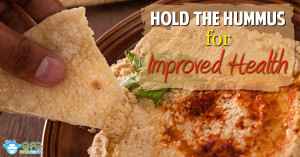
Hold The Hummus For Improved Health


Hands off the Hummus

Ingredients from a bestselling hummus brand: Cooked Chickpeas [Chickpeas (Garbanzos), Water], Tahini (Ground Sesame), Soybean And/Or Canola Oil, Garlic, Salt, Citric Acid, Seasoning And Spices, Natural Flavors, Potassium Sorbate Added To Maintain Freshness.

Hormone Havoc:

Every week I hear from well-meaning clients who say “I eat healthy snacks like hummus and carrots.”They always follow up by saying they are starving all the time and have low energy. One thing people do not realize is that garbanzo beans are over 60% starch, meaning they spike blood sugar and make people hungrier than they were before. Anytime our blood sugar spikes from eating high carbohydrate foods a subsequent crash a few hours later will cause an energy drain. This cycle will make people feel tired, fat and hungry.

People start with good intentions of eating just few bites of hummus, but it usually turns into a whole container because it actually increases appetite. Unfortunately many times hummus is just a delivery method for corn or pita chips which also increases blood glucose and fat storage leading to heart damaging abdominal obesity. People get a double whammy of sugar shock from eating hummus and tortilla/pita chips that are disguised as health foods by the brainwashing health media.

Unhealthy Oils:

Many store bought hummus dips are made with rancid, extremely processed canola or soybean oil which causes advanced aging which increases wrinkles and age spots. Soybean and canola oil are extracted with hexane (think gasoline) and predominantly coming from genetically modified  seeds made by Monsanto which have never been proven safe for human consumption. These oils also have a substance called Endocannabinoids that is similar to what is found in cannabis (THC) that can make you feel hungrier.

Beans an earth saving super food?

“The truth is that agriculture is a relentless assault against the planet, and more of the same won’t save us. In service to annual grains, humans have devastated prairies and forests, driven countless species extinct, altered the climate, and destroyed the topsoil–the basis of life itself”.-Lierre Kieth

After reading The Vegetarian Myth: Food, Justice, and Sustainability by Lierre Kieth I really saw the light on this issue. Beans are often touted as a wonder food that will save the earth, but actually more animals are killed from the production of agricultural products like beans and grains than sustainable systems such as grass fed beef.

Another problem is that most commercial hummus is not organic which means it will have GMO ingredients.  Non-organic foods also use harmful pesticides, herbicides, and fertilizers that will pollute the groundwater and damage the microbes in the topsoil. Without rich topsoil (the top 2- 8 inches) which has highest concentration of organic matter, microorganisms and is where most of the plant activity occurs, there will be nowhere to grow food. Over time loss of topsoil leads to desertification and climate change. We hear a lot of messages in the media about how beans and whole grains will save the earth when actually big agriculture is what is hurting our earth the most.

Lectins:

Lectins are protective layers found in all beans that keep them being digested so they can germinate into a plant. Lectins can cause major intestinal discomfort to those who eat the seeds or in this case garbanzo beans whipped into hummus. Beans are poisonous seeds that will do anything they can not to be broken down by our digestive systems (including making people fart a lot). Excessive flatulence is not a sign of health, farting actually signals that what you ate does not agree with your system.

Beans that contain lectins that can irritate our small intestine causing swelling, bloating, as well as aches and pains. Lectins can cause food sensitivities by crossing the inflamed junctions of our intestinal lining allowing undigested food particles into the blood stream. This process sounds alarm signals in the body creating a hyper-immune state where the body mistakenly attacks its own tissue leading to autoimmune conditions like Multiple Sclerosis, Hashimoto’s thyroiditis, Rheumatoid arthritis, ect.

Ancient Mediterranean people knew about lectins so they soaked their garbanzo beans which somewhat reduces the gut irritating aspects of the bean/seed.  I have a hunch that Trader Joe’s didn’t soak the garbanzo beans before making your hummus. most people today won’t go through the hassle of thoroughly soaking beans and usually people buy canned beans or pre-made products like hummus dip.

Phytates: 

Beans have chemicals called phytates that bind with minerals making them less likely to be absorbed by the body when these foods are eaten. Commonly these include magnesium, calcium and iron. Most people I work with can not spare these vital minerals needed for strong bones, toned muscles and osteoporosis prevention.

Mystery ingredients:

Potassium sorbate is a preservative used to prohibit molds and yeasts. It can be a skin, gut and respiratory irritant.

Natural flavors are ambiguously named for a reason because manufacturers do not want us to know what this means. These can have hidden wheat and soy ingredients. They can also be full of MSG which is a proven neurotoxin and appetite stimulant. Many people feel extremely bloated or have rashes after eating MSG.

Citric Acid is another preservative usually derived from corn which is a common food sensitivity. Most of it comes from China and is heavily used in cleaning products. Is that what you want to be eating?

Bottom Line:

If you want to be healthy and happy with your body avoid beans and hummus made at home or at the store. Try my Baba ghanoush recipe here that will give you a taste of the Mediterranean without the bloat and gut inflammation! Also you can read more about why beans are not the best choice for weight loss and gut health here.

Meet hummus' healthy cousin- Baba Ghanoush

For more great recipes from a grain, dairy and legume free perspective get the amazing cookbook by Bill Staley and Hayley Mason:


Caitlin Weeks

Caitlin Weeks

Caitlin Weeks, BA, Certified Nutrition Consultant, C.H.E.K. Holistic Lifestyle Coach, and NASM Certified Personal Trainer is a San Francisco based Holistic Nutritionist serving clients locally and beyond (US & international) via phone and Skype consultations. Since 2001 Caitlin has had success conquering obesity after a lifelong struggle with her weight. Since 2009 she has been winning the battle over Hashimoto’s Thyroiditis by managing stress and using a paleo diet. She is committed to educating others about the benefits of traditional foods and efficient exercise. She writes weekly articles about health and nutrition on her blog: www.grassfedgirl.com

More Posts - Website

Follow Me:
TwitterFacebook

8 Reasons Beans Are Not A Health Food (with Baba Ganoush Recipe)

I grew up eating black beans and brown rice at least once a week and I was taught this was the height of health food. People in my immediate family believed that authors like John Robbins and Jane Brody were the pinnacle of nutritional know how. I ate a ton of beans all my life thinking they were full of protein and vitamins but then I learned the connection between my autoimmune disease, gut irritation and beans. I had a great nutritionist in 2009 who followed traditional food principles and she told me to make my diet mostly humane meat, wild fish and organic veggies. My health and appetite control have improved greatly since I removed beans from my meals. I really do not miss them because now I have plenty of healthy fats and pastured meats in my diet, which taste a lot better than bland beans.

Do beans improve your health?

1. Before the agricultural revolution 10,000 years ago people had no beans or grains in their diets. Adding pulses and cereals have lead to people having more cavities, lowered bone density and shorter stature. It takes between 40,000-100,000 years for humans genes to adapt to a major change in the type of food we eat. We have not yet adapted to our diets shifting from mostly meat to predominantly agricultural products. 


2. Ancient Hunter-Gathers who did not eat beans had triple the intake of Vitamin C, Vitamin E,   Magnesium, Fiber, Potassium, Calcium, and Zinc compared with modern day Americans.


3. Historically hundreds of generations of native cultures have never followed a vegetarian diets by choice.


4. Complex carbohydrates like beans are made up of 60% starch which must break down into sugar to be absorbed by the body. Our modern diets are higher in carbohydrates than any other period in human history. Carbohydrates in beans can be appetite stimulants causing us to overeat.


5. Phytic acid found in legumes (and grains) can block mineral absorption which contributes to Osteoporosis. Also a diet high in beans and grains is linked with malnutrition, degenerative disease, birth defects, and iron deficiency anemia becasue of the phytic acid.


7. Phytic acid also inhibits three enzymes that we need to digest our food, including trypsin and pepsin for the breakdown of proteins and amylase for the digestion of starch into sugar. Without adequate protein absorption detoxification and muscle growth will be impaired.


7. Beans are seeds of plants important for their germination and survival. Beans contain lectins which can cause considerable intestinal upset and inflammation to those who eat the seeds because the plant is trying to protect it self from being ingested. 


8. Metabolism can be reduced by a diet high in phytates from beans and grains because the body tries to use as little minerals as possible. The body turns down it’s ability to grow, reproduce and maintain because it is preparing to be starved of minerals from a nutrient deficient diet. High phytate diets can especially affect young children who need lots of minerals for growing bones and teeth.


Some of the hard to digest lectins and phytates can be reduced when beans are soaked and sprouted for several days but I find that most people do not want to take the time to properly prepare legumes. Nuts and seeds can also have lectins and phytates so it is better to soak them over night and limit consumption. Also since most people I come across are looking to lose weight eating a food that is mostly starch seems counter productive to slimming down. People always ask me about easy snack and party foods to make. I love this mediteranean dip because it is so tasty and full of nutrition. I made this great Baba Ganoush recipe for my birthday party recently and it is sure to satisfy any bean craving.


This Baba Ganoush will help you forget about Hummus


Ingredients:

2 large organic eggplants
3 cloves minced garlic
2 Tbsp organic tahini
Sea salt to taste
Pepper to taste
1 large lemon juiced
1 tsp cumin


Directions:
Bake 2 large eggplants for 20 minutes on 350. Poke with a fork, when they are soft, remove from the oven. Let them cool off. Cut off the top of eggplants and put them into the food processor. Add mined garlic to salt, pepper cumin, lemon juice to food processor. Pulse it a few times until all mixed up. Serve it with your choice of carrots, cucumbers, celery, endive and red peppers for dipping.


Sources:
1.Wapf.org
2. Gedgaudas, N. (2011). Primal body, primal mind. Rochester: Healing Arts Press.
3. Wolf, Robb. (2010). The Paleo Solution. Auberry, CA:Victory Belt Publishing.
Caitlin Weeks

Caitlin Weeks

Caitlin Weeks, BA, Certified Nutrition Consultant, C.H.E.K. Holistic Lifestyle Coach, and NASM Certified Personal Trainer is a San Francisco based Holistic Nutritionist serving clients locally and beyond (US & international) via phone and Skype consultations. Since 2001 Caitlin has had success conquering obesity after a lifelong struggle with her weight. Since 2009 she has been winning the battle over Hashimoto’s Thyroiditis by managing stress and using a paleo diet. She is committed to educating others about the benefits of traditional foods and efficient exercise. She writes weekly articles about health and nutrition on her blog: www.grassfedgirl.com

More Posts - Website

Follow Me:
TwitterFacebook