Category Archives: oils
Fish Oil: Do’s and Don’ts
Fish Oil has been touted as a miracle anti-inflammatory in western and alternative circles for many years and it can have many health benefits if it is pure, fresh and from a good source.
I think people should try to get your omega 3′s from eating wild fish from a great source a couple times a week before considering supplementation. Wild fish have more nutrient density than fish oil alone including important co-factors like selenium, Vitamin D, iron and magnesium.
It is really important to focus on the highest quality when picking a fish or cod liver oil because these oils can do more harm than good if you don’t shop carefully.
Tips to Remember About Fish Oil or Cod Liver Oil:
Do’s:
- Buy one that is cold processed to prevent undoing any anti-inflammatory benefits.
- Buy in small batches (not like a Costco brand because it will spoil before you finish it).
- Keep your dose to a reasonable levels of no more that one or two grams per day.
- With fish oil, check that you are actually getting a good amount of EPA and DHA (about 500 mg of each per day).
- Always take fat soluble vitamins A and D together because they are synergistic. Make sure the ratio is balanced the way it is in cod liver oil.
- Look for a manufacture date to help you determine freshness: such as on this cod liver oil.
- Remember that the Vitamin A in CLO can help protect the polyunsaturates from oxidation.
- Get a CLO that is fermented because it makes the vitamins more bio-available for the body.
- Decrease omega-6 in the diet because omega-3 supplementation cannot make up for grain fed meat and industrial seed oil consumption.
- Do smell your oil and if it smells like a rotten fish it is not fresh. Instead, fish oil capsules should smell like the ocean.
- Look for a fish oil that has Vitamin K2 which is helpful in blood clotting, heart disease protection, healthy skin, strong bones, proper brain function, proper growth/ development and cancer prevention. Vitamin K2 is available in cod liver oil.
Don’ts
- Don’t store your fish or cod liver oil in a warm place or outside the fridge.
- Don’t buy fish oil or Cod liver oil that comes in a clear bottle.
- Don’t take fish oil or Cod liver oil away from a fatty meal because the fat soluble vitamins A, D and K will be absorbed.
- Don’t be afraid of taking vitamin A as long as it is in proper balance with Vitamin D like in this CLO
- Don’t buy farmed fish that have unnatural amounts of contaminants and antibiotics in their food. Farmed fish are fed gmo corn and soy and will have an unhealthy balance of omega-3/6 that will be passed on to you.
- Don’t buy a fish oil without a Certificate of Analysis, which screens for levels of contamination of PCB’s and heavy metals.
- Don’t buy GMO salmon (if approved possibly by Feb 2013) because of unknown changes to our DNA from eating modified food.
- Don’t convince yourself that taking fish or CLO can make up for a standard American diet.
- Don’t overlook the other ingredients that are used as fillers such as corn, soy or canola oils that are highly inflammatory.
- Don’t forget to look for a company that is using sustainable methods of fish harvesting. Approval from the Marine Stewardship Council is a good sign.
Which is one is best?
The only brand of fish oil that I think is properly prepared is the cod liver oil from Green Pastures. It is cold pressed and from wild fish. This CLO is more like a food so it does not have the exact measurements of DHA and EPA on the label. That is because there are so many compounds in food that work together and we do not understand them enough to separate out. That is why it is important to eat whole foods as much as possible. That being said, I am not sure many people would actually eat cod liver if was not made into supplement form.
Order the best cod liver oil on the market, especially if you are not eating fish a few times a week.
Many of my clients have taken this brand and they reported less cold’s, improved energy and better skin. Let me know how it works for you!
Are there any criteria for choosing a good fish oil supplement that I have overlooked?
Sources:
http://www.westonaprice.org/faq/faq-cod-liver-oil
http://chriskresser.com/the-definitive-fish-oil-buyers-guide
How to Make Ghee In The Crock-Pot
Education Moment:
I never used much ghee before because it is pretty pricey at over $10 for a 13 oz jar and that seemed out of my budget. Grass Fed Butter, which is used to make ghee, is rich in vitamin A and D but it also has a milk protein called casein that causes a reaction in some people. Casein has been shown to be inflammatory in many studies but those are usually done with conventional feed- lot antibiotic filled milk, which is not a fair comparison with raw grass-fed dairy.
It is a good idea to eliminate dairy for 3-4 weeks to see if it is causing you digestive distress, sinus problems, rashes or weight gain. I tried this recently and I don’t think grass fed butter is a problem for me but each person has to test their own tolerance. Besides the benefit of getting rid of the casein, ghee tastes amazing! Ghee is a beneficial saturated fat that is shelf stable and safe for use at higher heats. Here is how the magic happens..
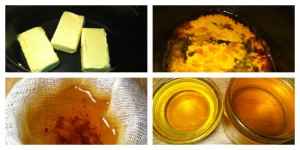
1. Place three or four 8oz packages of grass fed butter such as Kerrygold ($2.79 each at trader Joe’s) into your crock pot.
2. Set it on low for 2.5 hours.
3. Put a cheesecloth over a glass container and strain the cooked butter through it.You should end up with almost as much product as you started out with. There should only be a small amount of milk solids left that can be discarded.
4. Cover and keep in the cupboard or refrigerator for future delicious recipes. Ghee can be used anywhere butter would normally be used. It has a sweet flavor that is wonderful change of pace.
If this seems like too much trouble you can buy grass fed organic ghee here.
12 Reasons To Cut The Canola

As always, it is always important to read labels because canola oil is found in many salad dressings, mayo, sauces, chips and baked goods and here are my top 12 reasons why you should cut the Canola:
1. No long term studies have ever been done on the safety of consuming genetically modified canola oil which makes up 80% of the rapeseed crop in the US and Canada.
2. It is rumored that the Canadian government paid the FDA $50 million dollars for canola oil to be granted the GRAS (generally regarded as safe) rating in 1985. Canola oil is not approved by the FDA for use in baby formula.
3. Canola oil is very prone to oxidation during manufacturing and storage causing free radical damage to our DNA which, over time, can lead to various cancers. This means that when canola oil is on the store shelf in bottles or in processed foods like cookies and chips, it is already rancid.
4. Canola oil has been shown to cause heart lesions in animal studies and atherogenic plaques in human arterial walls.
5. Canola oil depletes the antioxidant vitamin E that is needed for cell communication which is helpful in preventing diseases like Alzheimer’s and Parkinson’s. Vitamin E is found in greens vegetables, olives, nuts/seeds, coconut oil and avocados.
6. Hydrogenation of canola oil during high heat processing creates a dangerous trans-fat devoid of beneficial Omega-3′s.
7. Eating canola oil accelerates skin aging including wrinkles and liver spots.
8. According to Dr. Mary Enig canola oil can increase risk for insulin resistance which over time leads to diabetes. Processed omega-6 oils like canola oil can stimulate appetite confusing satiety signals.
Just Say No
9. Canola oil increases the chance of autoimmune diseases where the body attacks its own organs or glands because it increases gut inflammation and permeability (leaky gut).
10. Thyroid function is impaired by eating unsaturated fats like canola oil because our digestive enzymes are compromised so we become unable to break down protein vital for thyroid hormone production. When our metabolism is lowered from poor thyroid hormone production obesity is likely to follow.
11. The oil found in the rapeseed (canola) neutralizes stomach acid preventing the seed from being digested by animals. Low stomach acid prevents the absorption of vitamins and minerals, increasing cravings for sweet and salty junk foods.
12. During the high heat processing, Canola seeds are washed with the toxic chemical solvent hexane (also used in gasoline) for over an hour to extract the oil.
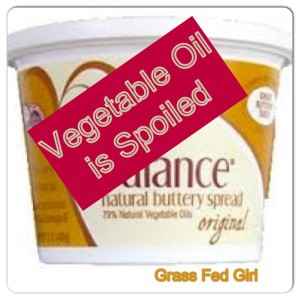
Polyunsaturated fats like canola, soybean and corn oils are commonly used in restaurant cooking because they are very cheap and the public is brainwashed into fearing saturated fat. Another place to watch out for canola oil is in margarine that is marketed as heart healthy such as, Earth Balance or Pam. Corn, cottonseed, soybean, and sunflower oil all have similar deleterious effects on health as canola oil. Ask for your food to be cooked in butter at restaurants and make your own salad dressings at home. Use safe healthy fats like grass fed butter, organic coconut oil, ghee, or cold pressed olive oil from a reputable source. Saturated fats like egg yolks and grass fed beef/lamb can protect against small amounts of canola oil exposure in restaurants, but canola oil is not a oil safe for everyday use. A good guide for which fats to eat can be found here.

Canola chips: ever tried to eat just one?
Sources:
whfoods.com
Coconut- The Magic Food
History:
- Protective against heart disease because it decreases belly fat stores when eaten in place of vegetable oils
- Decreases inflammation associated with too much consumption of common rancid vegetable oils- such as soybean, corn, and canola oils
- Increases HDL, the “good cholesterol”
- In countries where coconut makes up 30% to 60% of the calories in the diet they have no cardiovascular disease
- Coconut is a main food of Thailand where cancer rates are half that of 50 other countries in a study done by the National Cancer Institute
- Coconut oil has no cholesterol
- Coconut oil has immune boosting healing powers such as killing candida/yeast, parasites, and fungi
- Anti-viral properties have been used in HIV treatment
- A healthy fat that is safe for cooking at high temperatures because it will not cause oxidation/ free radicals
- If eaten as 40% of caloric intake, coconut oil protects the liver from fatty liver disease caused by corn oil, canola oil, soybean oils and alcohol consumption
- Needed for calcium and magnesium absorption
- A great source of zinc, selenium, copper, and manganese
- Coconut oil is converted by the body into the hormone pregnenolone (usually very depleted by stress in most people)
- A main source of lauric acid- an essential fat, which is a critical component of breast milk- meaning it is nature’s perfect food
- Lauric Acid is vital to our health as an antimicrobial agent because it fights harmful parasites, viruses, and bacteria in our body
- Mostly made of medium chain (over 65%) fatty acids which are readily used for energy not stored as fat
- Coconut oil increases thermogenesis, the rate that the body burns calories
- Easily digested requiring no pancreatic juices
How to Purchase: Buy organic virgin coconut oil from Whole Foods or Tropical Traditions.com. It is very shelf stable and can be heated to high temperatures. Also coconut water is a very replenishing source of electrolytes during an illness or post workout. It is best straight from a young coconut, usually found at Asian markets. Coconut milk makes a wonderful dairy substitute, as well as perfect curries or in coffee and tea. This brand can be found in cans without toxic BPA linings. You can also eat coconut meat in shreds, just be sure it is organic and unsweetened. Find great coconut products here
Sources: