Category Archives: salads
Money Saving Idea for Using and Storing Fresh Herbs
Recently I stayed with my mother in law for two weeks in Algiers, Algeria. She sure knows her way around the kitchen and I learned a lot from her (more to come). She had 9 kids and cooked from scratch for them everyday. She can take the simplest ingredients and make them takes like heaven.
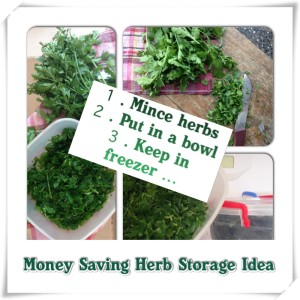
One tip I picked up from her is to store fresh chopped herbs in the freezer. Do you buy fresh herbs with the best of intentions but they always end up going bad before you use them up?
I see some people neglect buying herbs because they don’t want to waste them when know they won’t use much. Dried herbs can be expensive and full of mycotoxins that can cause problems like brain fog and weight gain (more info here).
Fresh herbs are full of detoxifying antioxidants and rejuvenating bioflavanoids so it is a shame not to have plenty in your diet!!
My husband and I use fresh herbs all the time in our cooking but much of it tends to go to waste because they go bad before we can use them up. This storage method is a great way to always have them ready to go into a nourishing recipe.
Directions:
1. Buy organic herbs (I don’t wash organic herbs because dirt is full of beneficial organisms)
2. Chop them right away to your desired size for use in recipes
3. Put them into freezer storage container
4. Sprinkle some into a soup, stew, entree or salad
They instantly thaw and work great on raw or cooked food.
This way you will never throw away fresh herbs again!
Important Announcement!!
Don’t forget today is the last day of the Village Green Network E-Bundle.
It features 39 e-books by your favorite authors/bloggers.
MommyPotamus
Nourished Kitchen
Nourishing Our Children
Low Carb One Day at a Time
Ditch the Wheat
Real Food Forager
Butter Believer and so much more!
Click here to find out the details!
Don’t miss this sale it ends April 23, 2013 at Midnight PST!
Click here to get the deal!
Hold The Hummus For Improved Health

Hands off the Hummus
Ingredients from a bestselling hummus brand: Cooked Chickpeas [Chickpeas (Garbanzos), Water], Tahini (Ground Sesame), Soybean And/Or Canola Oil, Garlic, Salt, Citric Acid, Seasoning And Spices, Natural Flavors, Potassium Sorbate Added To Maintain Freshness.
Hormone Havoc:
Every week I hear from well-meaning clients who say “I eat healthy snacks like hummus and carrots.”They always follow up by saying they are starving all the time and have low energy. One thing people do not realize is that garbanzo beans are over 60% starch, meaning they spike blood sugar and make people hungrier than they were before. Anytime our blood sugar spikes from eating high carbohydrate foods a subsequent crash a few hours later will cause an energy drain. This cycle will make people feel tired, fat and hungry.
People start with good intentions of eating just few bites of hummus, but it usually turns into a whole container because it actually increases appetite. Unfortunately many times hummus is just a delivery method for corn or pita chips which also increases blood glucose and fat storage leading to heart damaging abdominal obesity. People get a double whammy of sugar shock from eating hummus and tortilla/pita chips that are disguised as health foods by the brainwashing health media.
Unhealthy Oils:
Many store bought hummus dips are made with rancid, extremely processed canola or soybean oil which causes advanced aging which increases wrinkles and age spots. Soybean and canola oil are extracted with hexane (think gasoline) and predominantly coming from genetically modified seeds made by Monsanto which have never been proven safe for human consumption. These oils also have a substance called Endocannabinoids that is similar to what is found in cannabis (THC) that can make you feel hungrier.
Beans an earth saving super food?
“The truth is that agriculture is a relentless assault against the planet, and more of the same won’t save us. In service to annual grains, humans have devastated prairies and forests, driven countless species extinct, altered the climate, and destroyed the topsoil–the basis of life itself”.-Lierre Kieth
After reading The Vegetarian Myth: Food, Justice, and Sustainability by Lierre Kieth I really saw the light on this issue. Beans are often touted as a wonder food that will save the earth, but actually more animals are killed from the production of agricultural products like beans and grains than sustainable systems such as grass fed beef.
Another problem is that most commercial hummus is not organic which means it will have GMO ingredients. Non-organic foods also use harmful pesticides, herbicides, and fertilizers that will pollute the groundwater and damage the microbes in the topsoil. Without rich topsoil (the top 2- 8 inches) which has highest concentration of organic matter, microorganisms and is where most of the plant activity occurs, there will be nowhere to grow food. Over time loss of topsoil leads to desertification and climate change. We hear a lot of messages in the media about how beans and whole grains will save the earth when actually big agriculture is what is hurting our earth the most.
Lectins:
Lectins are protective layers found in all beans that keep them being digested so they can germinate into a plant. Lectins can cause major intestinal discomfort to those who eat the seeds or in this case garbanzo beans whipped into hummus. Beans are poisonous seeds that will do anything they can not to be broken down by our digestive systems (including making people fart a lot). Excessive flatulence is not a sign of health, farting actually signals that what you ate does not agree with your system.
Beans that contain lectins that can irritate our small intestine causing swelling, bloating, as well as aches and pains. Lectins can cause food sensitivities by crossing the inflamed junctions of our intestinal lining allowing undigested food particles into the blood stream. This process sounds alarm signals in the body creating a hyper-immune state where the body mistakenly attacks its own tissue leading to autoimmune conditions like Multiple Sclerosis, Hashimoto’s thyroiditis, Rheumatoid arthritis, ect.
Ancient Mediterranean people knew about lectins so they soaked their garbanzo beans which somewhat reduces the gut irritating aspects of the bean/seed. I have a hunch that Trader Joe’s didn’t soak the garbanzo beans before making your hummus. most people today won’t go through the hassle of thoroughly soaking beans and usually people buy canned beans or pre-made products like hummus dip.
Phytates:
Beans have chemicals called phytates that bind with minerals making them less likely to be absorbed by the body when these foods are eaten. Commonly these include magnesium, calcium and iron. Most people I work with can not spare these vital minerals needed for strong bones, toned muscles and osteoporosis prevention.
Mystery ingredients:
Potassium sorbate is a preservative used to prohibit molds and yeasts. It can be a skin, gut and respiratory irritant.
Natural flavors are ambiguously named for a reason because manufacturers do not want us to know what this means. These can have hidden wheat and soy ingredients. They can also be full of MSG which is a proven neurotoxin and appetite stimulant. Many people feel extremely bloated or have rashes after eating MSG.
Citric Acid is another preservative usually derived from corn which is a common food sensitivity. Most of it comes from China and is heavily used in cleaning products. Is that what you want to be eating?
Bottom Line:
If you want to be healthy and happy with your body avoid beans and hummus made at home or at the store. Try my Baba ghanoush recipe here that will give you a taste of the Mediterranean without the bloat and gut inflammation! Also you can read more about why beans are not the best choice for weight loss and gut health here.
For more great recipes from a grain, dairy and legume free perspective get the amazing cookbook by Bill Staley and Hayley Mason:
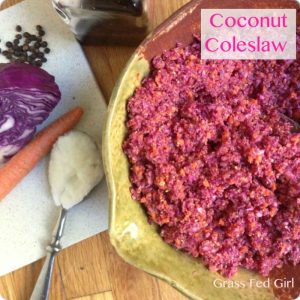
Paleo Coconut Coleslaw
Directions:
Use food processor to chop all cabbage and the carrot. Place in large bowl. Add remaining ingredients and stir thoroughly. Add salt and pepper to tastes. Then refrigerate 2-3 hours.
12 Reasons To Cut The Canola

As always, it is always important to read labels because canola oil is found in many salad dressings, mayo, sauces, chips and baked goods and here are my top 12 reasons why you should cut the Canola:
1. No long term studies have ever been done on the safety of consuming genetically modified canola oil which makes up 80% of the rapeseed crop in the US and Canada.
2. It is rumored that the Canadian government paid the FDA $50 million dollars for canola oil to be granted the GRAS (generally regarded as safe) rating in 1985. Canola oil is not approved by the FDA for use in baby formula.
3. Canola oil is very prone to oxidation during manufacturing and storage causing free radical damage to our DNA which, over time, can lead to various cancers. This means that when canola oil is on the store shelf in bottles or in processed foods like cookies and chips, it is already rancid.
4. Canola oil has been shown to cause heart lesions in animal studies and atherogenic plaques in human arterial walls.
5. Canola oil depletes the antioxidant vitamin E that is needed for cell communication which is helpful in preventing diseases like Alzheimer’s and Parkinson’s. Vitamin E is found in greens vegetables, olives, nuts/seeds, coconut oil and avocados.
6. Hydrogenation of canola oil during high heat processing creates a dangerous trans-fat devoid of beneficial Omega-3′s.
7. Eating canola oil accelerates skin aging including wrinkles and liver spots.
8. According to Dr. Mary Enig canola oil can increase risk for insulin resistance which over time leads to diabetes. Processed omega-6 oils like canola oil can stimulate appetite confusing satiety signals.
Just Say No
9. Canola oil increases the chance of autoimmune diseases where the body attacks its own organs or glands because it increases gut inflammation and permeability (leaky gut).
10. Thyroid function is impaired by eating unsaturated fats like canola oil because our digestive enzymes are compromised so we become unable to break down protein vital for thyroid hormone production. When our metabolism is lowered from poor thyroid hormone production obesity is likely to follow.
11. The oil found in the rapeseed (canola) neutralizes stomach acid preventing the seed from being digested by animals. Low stomach acid prevents the absorption of vitamins and minerals, increasing cravings for sweet and salty junk foods.
12. During the high heat processing, Canola seeds are washed with the toxic chemical solvent hexane (also used in gasoline) for over an hour to extract the oil.
Polyunsaturated fats like canola, soybean and corn oils are commonly used in restaurant cooking because they are very cheap and the public is brainwashed into fearing saturated fat. Another place to watch out for canola oil is in margarine that is marketed as heart healthy such as, Earth Balance or Pam. Corn, cottonseed, soybean, and sunflower oil all have similar deleterious effects on health as canola oil. Ask for your food to be cooked in butter at restaurants and make your own salad dressings at home. Use safe healthy fats like grass fed butter, organic coconut oil, ghee, or cold pressed olive oil from a reputable source. Saturated fats like egg yolks and grass fed beef/lamb can protect against small amounts of canola oil exposure in restaurants, but canola oil is not a oil safe for everyday use. A good guide for which fats to eat can be found here.

Canola chips: ever tried to eat just one?
Sources:
whfoods.com
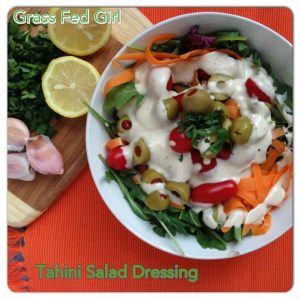
Tahini Dressing
Ingredients:
2 tbsp Tahini (sesame seed butter)
Juice of 1 organic lemon
3 cloves of garlic finely chopped
Sea salt and black pepper to taste
4 cups organic Spinach
1 chopped red onion
1 shredded carrot
1/2 cup Bean spouts (optional)
Directions:
Whisk Tahini, garlic, and lemon together and pour over salad fixings. Toss well. You can also add chicken, fish, or steak to make it a main meal.